


How to Choose an Event Photo Activation Partner for Your Q4 Event
September 4, 2026
Choosing the right experiential partner for a Q4 event comes down to more than finding an impressive photo booth. You need a provider that understands your campaign goal, can translate your brand into the guest experience, manages production reliably, and can support the volume, venue, technology, and reporting requirements of your event.
If you are researching how to choose an event photo activation partner, focus on the complete experience rather than the equipment alone. The right questions will help you compare providers on creative quality, customization, guest flow, technical support, data capture, pricing, and execution before you commit your Q4 budget.
How to Choose an Event Photo Activation Partner
The best way to understand how to choose an event photo activation partner is to look at how they manage the entire experience, from creative brief to live guest activation. You should understand what will be customized, what happens on-site, how guests receive their content, and what support is included.
Start by defining what you actually need the activation to accomplish. A corporate holiday party designed primarily for employee entertainment has different requirements from a branded consumer activation intended to generate shareable content or capture opt-ins.
Ask potential partners about:
- The photo and video experiences they provide
- Creative customization and brand integration
- Equipment, staffing, setup, and teardown
- Expected guest flow and capacity
- Digital delivery and printing options
- Data capture and consent workflows
- Post-event reporting
- Technical requirements and contingency planning
- Pricing structure and potential additional charges
These questions reveal whether you are comparing complete experiential services or simply different pieces of equipment with attractive marketing around them.
Start With the Goal of Your Q4 Activation
Your event objective should determine the experience you choose. Without a clear goal, it is easy to spend your budget on technology that attracts attention but does little to support the wider event.
Planning a corporate holiday event, for example, may put entertainment, personalization, and memorable guest takeaways at the top of your list. A customer event may place more emphasis on branded content. A conference activation may need fast throughput, digital sharing, and measurable participation.
Define your primary objective before discussing formats with providers. It could be employee engagement, brand visibility, content creation, lead capture, social sharing, or simply creating a premium guest experience.
This also makes creative decisions easier. Instead of asking whether you want a branded photo booth, an AI activation, or portrait studio, you can ask which format best supports your objective, audience, venue, and budget.
Compare the Experience, Not Just the Technology
Two providers can offer similar technology and deliver very different guest experiences. The equipment matters, but execution determines how the activation actually feels.
Consider the complete journey:
- How does someone discover the activation?
- What happens when they approach it?
- Does an attendant guide them?
- How long does participation take?
- Can they customize their output?
- How do they receive the finished content?
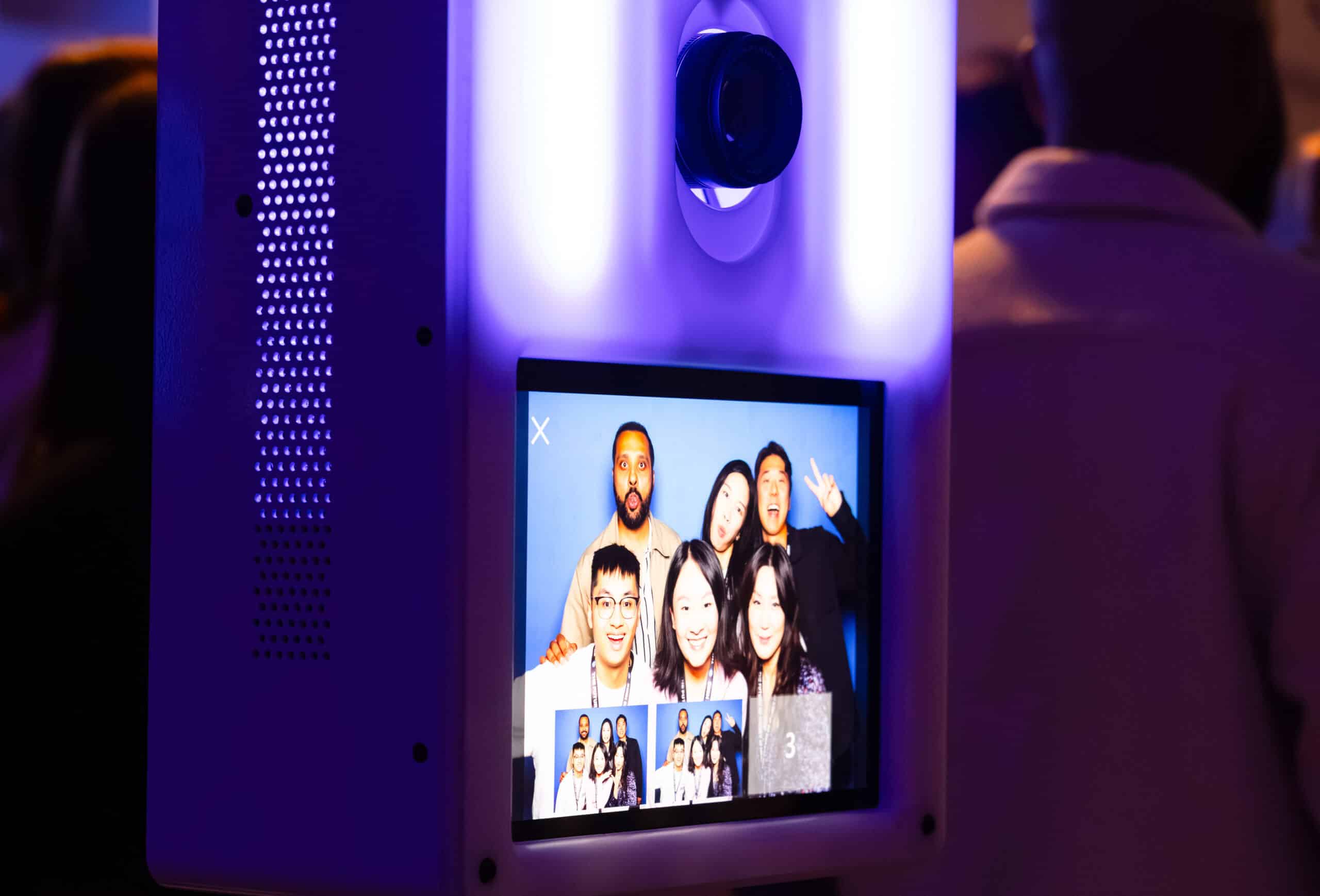
A branded holiday photo experience might include a custom visual concept, professional lighting, branded overlays, digital delivery, physical prints, and an on-site team managing the guest journey. A simpler setup might provide a camera, backdrop, and standard template.
Neither approach is automatically right or wrong. The question is whether the experience matches your event.
Corporate holiday activation trends may introduce new formats and creative technology each season, but novelty alone should not drive your decision. A simpler activation that guests immediately understand can be more appropriate than a complicated experience requiring several instructions before anyone can participate.
Evaluate How Much Can Actually Be Customized
Customization should go beyond placing a logo on the final image. If brand visibility is important, ask which parts of the activation can reflect your campaign or event identity.
Depending on the provider and format, customization may include the interface, physical environment, photo templates, digital galleries, overlays, AI concepts, print designs, calls to action, or content delivery experience.
Ask to see previous examples of customized work rather than relying only on a list of available features. You want to understand whether the provider can translate a creative brief into a cohesive experience.
For Q4 events, this distinction matters particularly when you want something more sophisticated than a generic seasonal backdrop. Your activation can reference your holiday theme while still feeling recognizably connected to your company, campaign, or event.
Consider AI Photo Experiences Carefully
AI photo for corporate events can create personalized images by transforming a guest’s original photograph according to a predefined visual concept. Depending on the activation, guests may receive their finished images digitally and have options to download or share them.
The technology creates interesting creative possibilities, but you should evaluate it with the same discipline as any other activation.
Ask how the visual concept is developed and tested. Request examples of actual outputs. Understand how long generation takes and what happens if connectivity becomes unreliable.
You should also discuss how guest photographs and personal information are handled when images are processed or delivered.
AI works best when the technology supports a strong creative concept. Adding AI simply because it feels current does not automatically create a stronger activation.
If your audience would get more value from a polished traditional photo experience or professionally produced portrait, there is nothing wrong with choosing the simpler format. Your event objective should make that decision.
Check Guest Capacity and Event Flow
A beautiful activation loses much of its appeal when the queue becomes the dominant feature. Before booking, estimate how many people may want to participate and when demand is likely to peak.
Ask the provider to explain the guest journey and what affects capacity. An experience involving several selections, multiple photographs, AI processing, printing, or individual customization may naturally take longer than a straightforward capture-and-delivery setup.
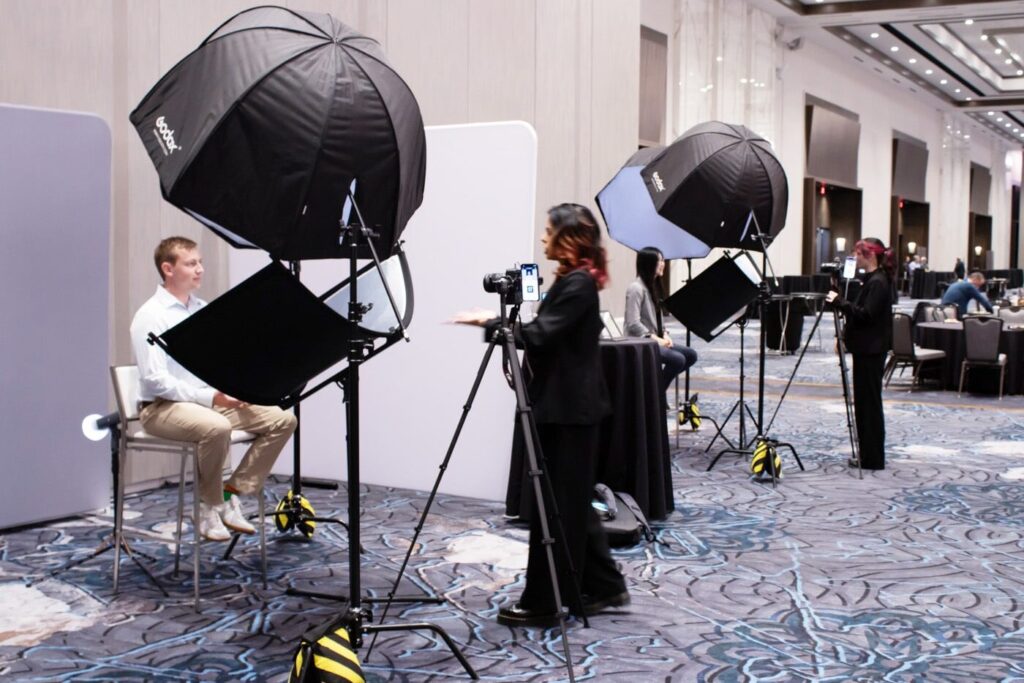
Your venue layout matters too. Ask how much physical space the activation requires and whether additional space is needed for equipment, lighting, staff, or queuing.
For larger Q4 events, discuss whether additional stations could be required. You should also coordinate power, internet access, loading arrangements, setup windows, venue access, and teardown requirements before the event rather than discovering production constraints during installation.
Ask What Happens When Something Goes Wrong
Technical reliability is not glamorous, which is precisely why it tends to receive less attention during the exciting creative stage.
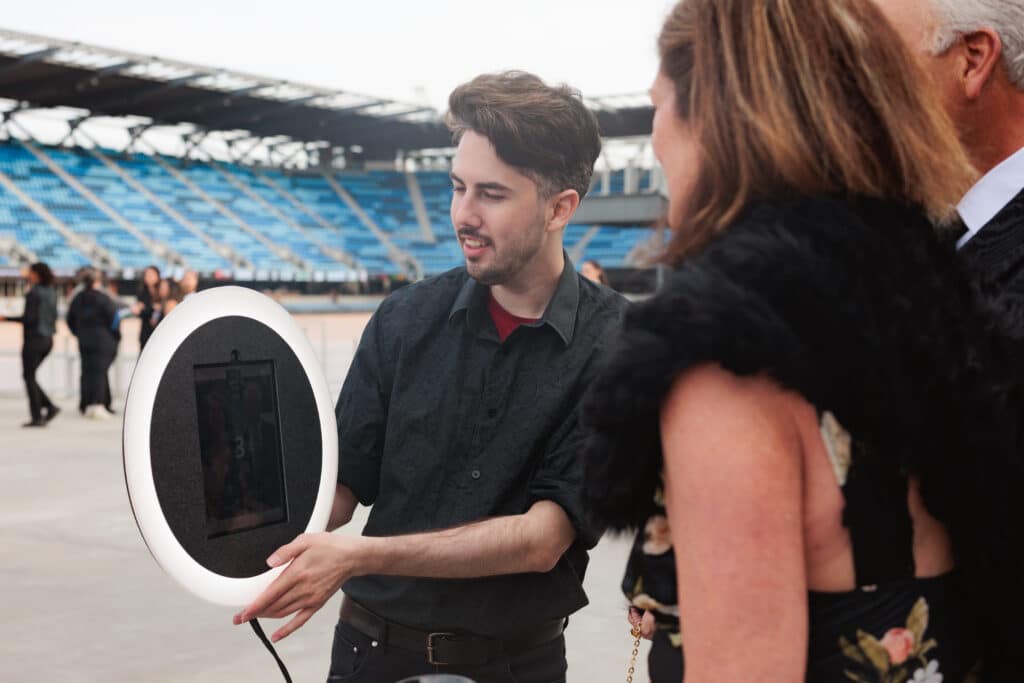
Ask who will operate the activation and troubleshoot problems on-site. Find out what happens if equipment fails, internet connectivity becomes unstable, a printer stops working, or digital delivery is interrupted.
You are not looking for a promise that nothing can go wrong. Live events involve equipment, venues, networks, suppliers, and hundreds of humans making surprisingly creative use of all four.
You are looking for a credible contingency plan.
An experienced partner should be able to explain how the activation is staffed, which elements depend on connectivity, and how common operational problems are handled.
Understand Data Capture and Reporting Before Booking
If your activation collects guest information, decide what you genuinely need before adding fields to the experience. Every additional step can create friction.
For some corporate holiday experiences, you may not need lead capture at all. The objective may simply be participation and entertainment. For marketing activations, opt-in information or engagement reporting may be more important.
Ask what information can be collected, how consent is presented, where information is stored, who has access to it, and what you receive after the event.
You should also define useful reporting before the activation happens. Depending on the technology and provider, available metrics may differ, so request a clear description of what is included rather than assuming every platform provides the same analytics.
What Does an Event Photo Activation Cost?
Event photo activation pricing varies according to the format, duration, location, staffing, customization, equipment, creative development, printing, technology, and reporting requirements.
Because those variables can substantially change the scope, comparing providers purely by their headline price can be misleading.
When requesting quotes, give each provider the same information:
- Event date and location
- Venue
- Activation hours
- Estimated attendance
- Desired experience
- Branding requirements
- Digital or print requirements
- Data capture requirements
- Setup and teardown restrictions
- Reporting requirements
Ask for an itemized proposal showing what is included and which services create additional costs. You should also clarify travel, overtime, additional staffing, custom fabrication, extra stations, premium print options, and extended activation hours where relevant.
If your requirements are still developing, request a quote based on the current scope and ask what changes are most likely to affect the final price. That gives you a more useful basis for comparing proposals.
Choosing a Partner for a Bay Area Q4 Event
For a Bay Area event, your provider needs accurate venue information before finalizing the production plan. Different venues can impose different loading, access, power, internet, setup, security, and teardown requirements.
Share the venue details as early as possible. If the venue is not confirmed, tell prospective partners what type of location you are considering so they can identify likely production requirements.
Q4 dates can also create tighter planning timelines around corporate celebrations and year-end events. Creative development, brand approvals, venue coordination, custom assets, and technical testing all require time.
Booking earlier gives you greater flexibility to develop the experience rather than forcing every decision into the final weeks before the event.
Common Mistakes to Avoid
Most activation problems begin well before event day. A clear brief and a more thorough provider comparison can expose many of them while you still have time to change the plan.
- Choosing by equipment alone: Similar hardware can produce very different experiences, so compare creative development, staffing, customization, production, and support
- Ignoring guest flow: An activation that takes too long per participant can create queues, so discuss expected attendance, peak demand, and capacity before choosing the format
- Leaving branding too late: Custom designs require review and approval, so establish brand requirements and approval deadlines early
- Assuming every feature is included: Printing, custom designs, data capture, additional hours, extra stations, or advanced reporting may affect pricing, so request an itemized scope
- Overcomplicating participation: Too many choices or steps can slow guests down, so keep the experience intuitive unless additional interaction serves a clear purpose
- Forgetting technical dependencies: Internet, power, equipment access, and venue restrictions can affect delivery, so confirm technical requirements with both the provider and venue
- Choosing novelty over relevance: New technology can attract attention, but it should support your audience and objective rather than becoming the objective itself
Frequently Asked Questions
How Early Should You Book a Q4 Event Photo Activation?
You should begin conversations as soon as your date, approximate guest count, and event direction are reasonably clear. Custom creative development, brand approvals, venue coordination, and technical planning require additional time. Starting earlier also gives you more flexibility to compare providers and refine the activation before production begins.
What Should You Ask an Event Photo Activation Company?
Ask about customization, staffing, guest capacity, setup requirements, content delivery, technical support, data handling, reporting, and pricing. You should also request examples of comparable activations. The goal is to understand exactly what happens before, during, and after your event, not simply what equipment arrives.
Are AI Photo Activations Suitable for Corporate Holiday Events?
They can be when personalization and digital content fit your audience and event concept. AI photo experiences can transform guest photographs around a defined visual theme. Before choosing one, review sample outputs, processing requirements, guest flow, image handling, and contingency plans so the technology supports the experience.
Should You Choose Digital Photos or Printed Photos?
Choose based on the experience you want guests to have. Digital delivery makes content immediately accessible and can support sharing. Printing provides a physical takeaway. Some events benefit from both. Consider guest numbers, available space, activation speed, budget, and whether a tangible keepsake adds meaningful value.
How Much Branding Should a Corporate Photo Activation Include?
Branding should feel intentional rather than simply placing a large logo everywhere. Consider where your visual identity naturally belongs, including the physical setup, interface, image treatment, digital delivery, and prints. Ask your provider to show how these elements can work together before approving the final creative direction.
What Information Does an Activation Partner Need From You?
Provide your date, venue, estimated attendance, activation hours, audience, event objective, brand guidelines, preferred format, available space, and delivery requirements. If you need data capture or reporting, specify those requirements too. A detailed brief helps the provider recommend an appropriate setup and produce a more accurate quote.
Is a Premium Photo Activation Necessary for Every Corporate Event?
No. If you have a small audience, limited branding requirements, or simply need casual event photography, a less complex option may be sufficient. A custom experiential activation makes more sense when participation, personalization, branded content, or a carefully designed guest experience is an important part of the event objective.
Choose a Q4 Activation Partner With the Complete Experience in Mind
Your next step is to compare partners based on creative quality, guest experience, operational planning, technical support, and transparent scope rather than equipment alone.
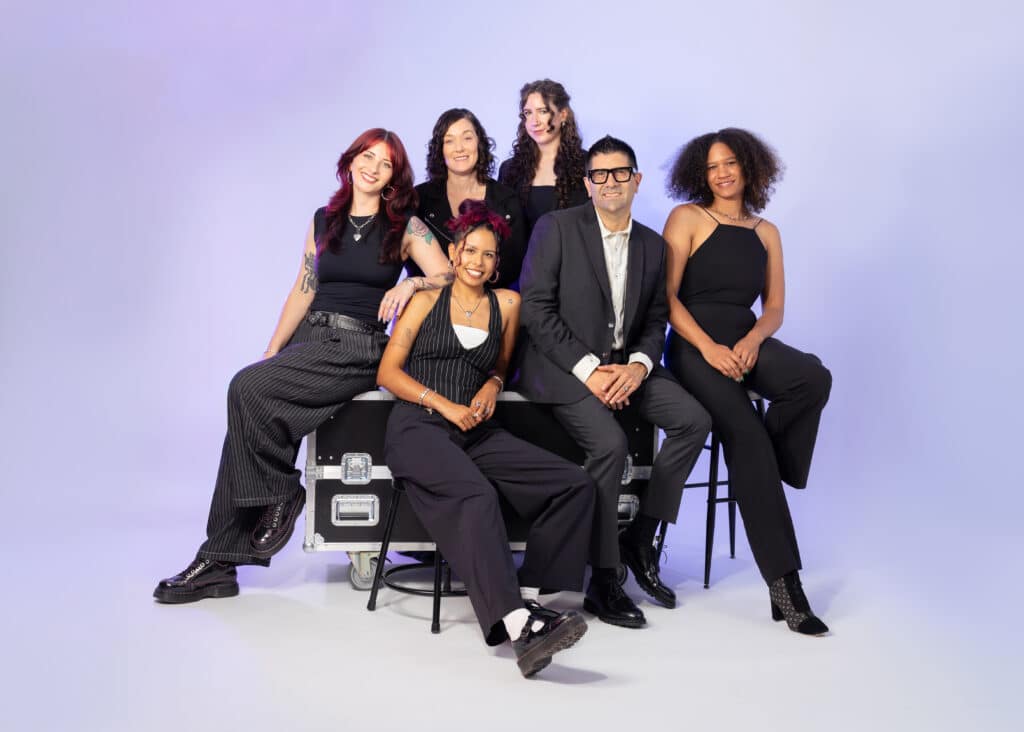
At Pop Life Photo, we create premium photo and video experiences for corporate events and brand activations in the Bay Area. When you are deciding how to choose an event photo activation partner, we help you develop an experience around your audience, event goals, brand, and production requirements.
We combine customized creative solutions with thoughtfully designed photo and video experiences, technology, and personalized service. Our approach focuses on making the activation feel considered from the first creative decision through the live event experience.
Make your Q4 activation count. Start planning with our team.