


2026 Guide To Corporate Holiday Event Planning And Brand Activations
August 24, 2026
Planning a corporate holiday event starts earlier than most teams expect. Corporate holiday event planning involves more than choosing a date and booking entertainment. You need to consider venue space, production requirements, customization, guest experience, and the keepsake people take home.
Starting early gives you more choice. It also gives your team time to design, test, customize, and coordinate an activation without turning December into a logistical emergency.
This guide covers the key decisions to make when planning a holiday corporate event or brand activation in the Bay Area, including how to choose the right photo booth experience, what affects cost, and how to create something guests genuinely want to share.
Why You Should Start Corporate Holiday Event Planning Early
The earlier you begin, the more flexibility you have over dates, activation formats, design, and production.
Holiday event calendars fill quickly, so waiting can leave you choosing from whatever availability remains rather than selecting what actually fits your event. This is a key principle in corporate holiday event planning, where timing often determines the quality and creativity of what you’re able to secure.
For a corporate holiday party, this matters because your activation needs to work within the wider event schedule. You may have a reception, dinner, presentations, entertainment, networking, and other activities competing for the same space and guest attention.
Starting early also creates room for customization. If you want a branded experience rather than a standard photo booth, design and production may require additional lead time.
A useful planning timeline should account for:
- Confirming your event date and venue
- Reviewing available activation formats
- Assessing the footprint and technical requirements
- Developing the creative direction
- Approving branded elements
- Testing the experience
- Confirming delivery and setup requirements
How To Choose The Right Photo Booth Experience
The best photo booth experience is the one that fits your space, audience, brand, and event objective. A visually impressive activation can still be the wrong choice if it requires more room, equipment, staffing, or production time than your event can support.
Start with the physical space.
Measure the available footprint and consider where guests will queue, interact with the experience, and collect or access their finished content. You also need to account for surrounding furniture, catering areas, stages, entrances, and guest traffic.
Next, consider the resources required.
Some activations are relatively straightforward, while others involve more equipment, design work, lighting, technical setup, or customization. A larger footprint can also affect where the activation can be positioned within the venue.
The format should support the event rather than compete with it.
For example, a smaller corporate gathering may benefit from an experience that integrates easily into the room and encourages casual interaction. A larger brand activation may have more space to create a visually distinctive installation that becomes part of the event environment.
The right question is not, “Which booth looks best?”
It is, “Which experience makes the most sense for this event?”

Design The Keepsake Around What Guests Want
A photo booth becomes more valuable when the finished content feels worth keeping and sharing. Your guests should leave with something that feels connected to the event rather than a generic photograph with a logo added afterwards.
Think about what your audience would actually want to post, send to colleagues, or keep on their phone.
For a holiday event, that could mean a polished branded portrait, a playful seasonal concept, an imaginative environment, or a short-form video experience. The creative direction should reflect the tone of the event and give guests a reason to participate.
AI portraits are particularly useful when you want to take guests somewhere more imaginative. The technology can place people into creative environments that would be difficult to reproduce through a conventional photograph, making the experience well suited to seasonal events where you have more freedom to play with visual themes.
The key is to make the technology serve the idea. AI alone is not a strategy. A strong concept, thoughtful art direction, and a finished result guests actually like are what make the experience memorable.
This approach can also work well for brand activations. Your creative direction can reflect campaign themes, company identity, seasonal messaging, or the atmosphere you want guests to associate with the event.
What Corporate Holiday Event Experiences Can Cost
Photo booth and brand activation pricing varies significantly because the production requirements vary. There is no single price that applies to every corporate holiday event.
The main cost factors include:
- type of activation
- equipment
- footprint
- creative development
- customization
- staffing
- production requirements
- event duration
A straightforward experience may require less preparation than a highly customized installation. If you need bespoke creative, branded environments, specialized technology, additional equipment, or more extensive testing, those requirements can affect the overall quote.
For planning purposes, request a detailed proposal rather than comparing headline prices alone. Ask what is included and whether design, setup, staffing, customization, delivery, and technical requirements are covered.
You should also consider the value of the finished experience. A lower-cost option may be perfectly appropriate if your priority is simply giving guests a fun photo opportunity.
If your objective is a branded experience designed to generate memorable content and become part of the event itself, a more customized solution may be more appropriate.
But, not every event needs the most elaborate activation. Matching the experience to your objective is usually more useful than paying for features your guests will barely notice.
Use Past Event Ideas To Shape Your Creative Direction
Looking at previous event concepts can help you identify what type of experience fits your own audience.
A premium corporate celebration can use an activation as part of the wider event environment rather than treating it as a standalone booth. For example,a luxury experience for McKinsey’s holiday celebration demonstrates the type of direction that can work when the experience needs to feel aligned with a polished corporate gathering.
Sports and entertainment events can take a different approach. Celebrity-style slow motion at SF’s premier Super Bowl kickoff party points towards a more energetic format where the content itself becomes part of the entertainment.
Another direction is using AI to create a more imaginative experience. Digital Ocean’s AI booth is an example of how AI-based creative concepts can give guests something beyond a conventional photograph.
These examples highlight an important planning principle. You do not need to copy another event. You can identify the element that worked and adapt the underlying idea to your own audience, venue, and brand.
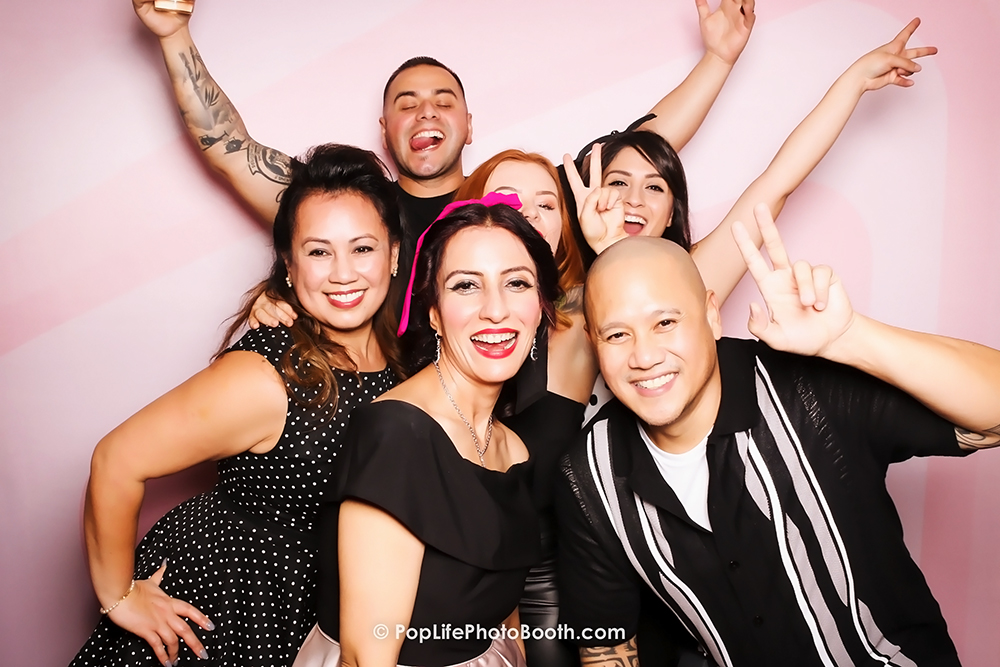
Plan The Experience Around Your Venue
Your venue should influence the activation before the creative concept is finalized. This is particularly important for Bay Area corporate events, where venues can range from conference spaces and hotels to private event rooms, offices, and larger event environments.
Start by identifying where the activation can realistically sit. Consider guest flow, ceiling height, available power, lighting conditions, access for setup, and the distance between the activation and other event areas.
You also need to think about when setup can happen. An activation that requires more equipment or customization needs sufficient access before guests arrive.
Share the venue specifications as early as possible. Floor plans, photographs, measurements, setup windows, and venue requirements can help your provider determine what is practical before production begins.
This is another reason early planning matters. Finding out two days before the event that an activation needs more space than you have is not a creative challenge. It is a scheduling problem wearing a party hat.
Build In Time For Customization And Testing
Customization takes time because good production involves more than changing a logo.
If your experience includes custom graphics, branded environments, AI-generated content, video, specialized equipment, or other creative elements, you need time for development and approval.
Testing is equally important. You want to know how the experience works before guests arrive, particularly when multiple technical elements need to work together.
Build enough lead time into your schedule for:
- Creative development and revisions
- Brand approval
- Equipment and production planning
- Venue coordination
- Technical testing
- Final content checks
- Delivery and setup
Last-minute planning reduces your ability to solve problems before the event. Early planning gives you more room to refine the experience instead of simply making it operational.
Common Mistakes To Avoid
The biggest problems usually happen before the event begins. A few planning decisions can make the difference between an activation that integrates smoothly and one that creates unnecessary stress.
- Waiting until the last minute creates fewer options for dates, suppliers, customization, and production, so start planning before holiday schedules become crowded
- Choosing based only on appearance can leave you with an activation that does not fit your venue or available resources, so review footprint and technical requirements first
- Ignoring the finished content can result in an experience guests enjoy briefly but do not keep or share, so decide what you want them to take away before choosing the format
- Underestimating customization time can create rushed approvals and limited creative options, so allow time for design, revisions, and testing
- Comparing prices without comparing scope can make similar-looking quotes difficult to evaluate, so check exactly what equipment, staffing, setup, customization, and production are included
- Treating technology as the concept can produce an impressive technical demo without a meaningful guest experience, so start with the audience and creative idea before selecting the technology
Frequently Asked Questions
How Early Should You Book A Corporate Holiday Photo Booth?
You should begin planning as early as possible, particularly for events held during the busy holiday season. Early planning gives you more choice over dates and allows time for creative development, customization, venue coordination, and testing. The more complex the activation, the more important it is to build adequate lead time into your schedule.
What Should You Consider When Choosing A Photo Booth For A Corporate Event?
Consider your available space, guest numbers, event format, brand requirements, activation footprint, technical needs, and the type of content you want guests to receive. You should also consider how the activation fits into guest flow and whether setup can happen within the venue’s available access window.
Are AI Photo Booths Suitable For Corporate Holiday Parties?
AI photo experiences can work particularly well for holiday events because they allow guests to enter imaginative visual environments. They can provide a more creative alternative to conventional photographs. The strongest results come when the AI experience has a clear creative direction that fits the event rather than relying on technology alone.
What Affects The Cost Of A Corporate Photo Booth?
Cost can depend on the activation format, equipment, event duration, footprint, customization, creative development, staffing, setup requirements, and technical production. A basic experience and a highly customized brand activation can therefore have very different requirements. Request a detailed quote based on your specific event rather than relying on a generic price.
Can A Photo Booth Be Customized For A Corporate Brand?
Yes, corporate photo experiences can be planned around a brand’s visual identity, campaign theme, event concept, or seasonal direction. Customization may involve creative design, branded content, environments, or other production elements. The level of customization should be agreed early so there is sufficient time for development, approval, and testing.
What Information Should You Give A Photo Booth Provider?
Provide your event date, venue, event type, expected guest numbers, available space, setup window, brand guidelines, creative preferences, and any venue or technical requirements you already know. Sharing this information early helps the provider assess which activation formats are practical and what production time may be required.
Is A Photo Booth Worth It For A Corporate Holiday Event?
It can be worthwhile when the experience supports your event objective and gives guests content they genuinely want to keep or share. If you only need basic entertainment, a simpler and less expensive option may be sufficient. If content, branding, and guest engagement are priorities, a more customized activation may provide greater value.
Make Your Holiday Event More Memorable
The best corporate holiday event planning starts with enough time to make good decisions. Choose an activation that fits your venue, resources, audience, and creative objective, then allow enough time for customization, testing, and production.
At Pop Life Photo Booth, we create premium photo and video experiences for corporate events, conferences, and high-end celebrations. Our approach combines customized creative direction with the technology and production needed to turn an event activation into an experience guests want to engage with and remember.
Ready to make this year’s holiday event the place to be at? Contact Pop Life Photo Booth and let’s plan a corporate holiday party no invited guest could resist.