


What Guests Actually Remember
June 17, 2026
Why the most memorable corporate events are built around one moment
The short answer: Guests do not remember the full arc of a corporate event. They remember its single most intense moment and how it ended. The planners who break through design that one moment on purpose, then capture it well so it travels past the room. That is the difference between an event guests attend and one they talk about for weeks.
Ask a guest what they remember about a corporate event three weeks after it ends, and you will almost never get a list. You get one thing. A single moment that stuck. Planners spend months on run-of-show, thousands on production, and weeks chasing AV and catering, yet the part a guest actually carries home is rarely the part that consumes the budget. That gap between effort and memory is the most useful thing a planner can understand, because it changes how you design.
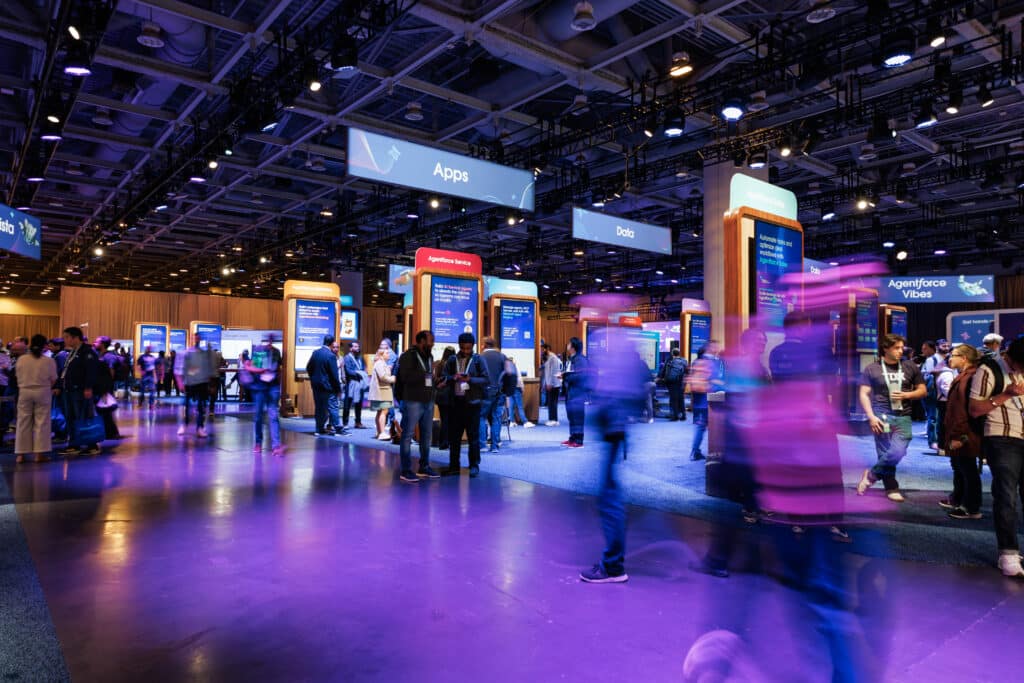
Why do guests forget most of an event?
Human memory does not record an event the way a camera records footage. It does not average the whole experience. The behavior has a name: the peak-end rule, identified by Nobel laureate Daniel Kahneman and based on research with Barbara Fredrickson. People judge an experience by its most emotionally intense moment, the peak, and by its ending, then let the rest fade (Nielsen Norman Group, 2020). A two-hour conference and a two-day summit are both compressed, in memory, into a handful of frames. This is not a flaw to fix. It is a design principle to use. If guests are going to keep one peak, the planners who win decide in advance what that peak will be rather than leaving it to chance.
What does a designed moment look like in practice?
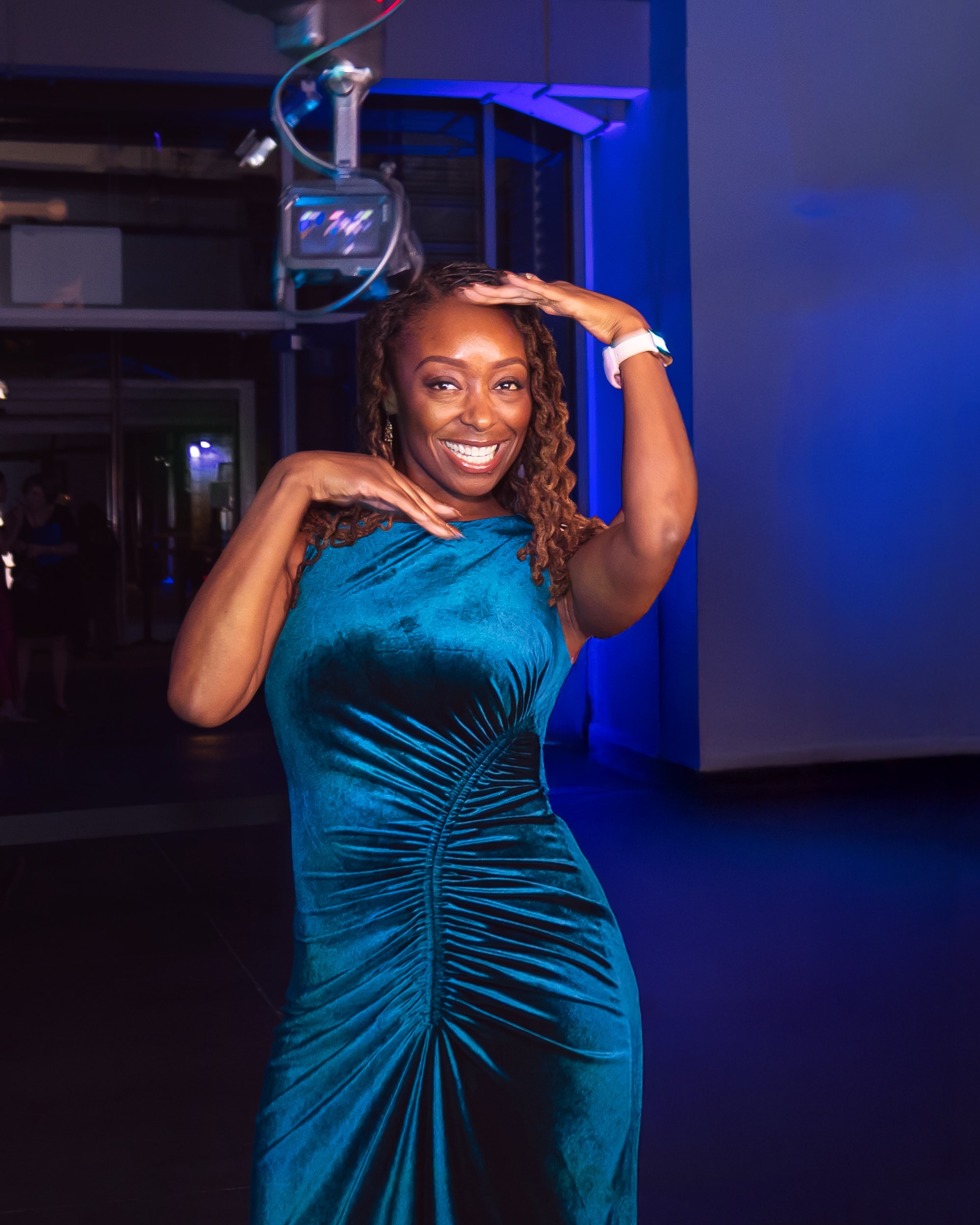
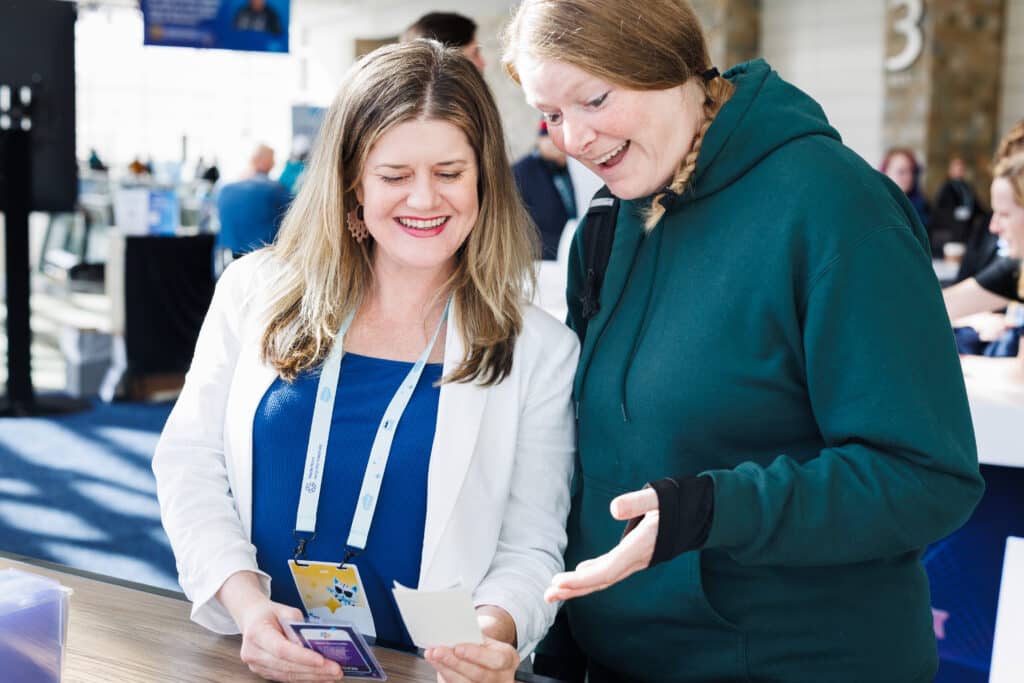
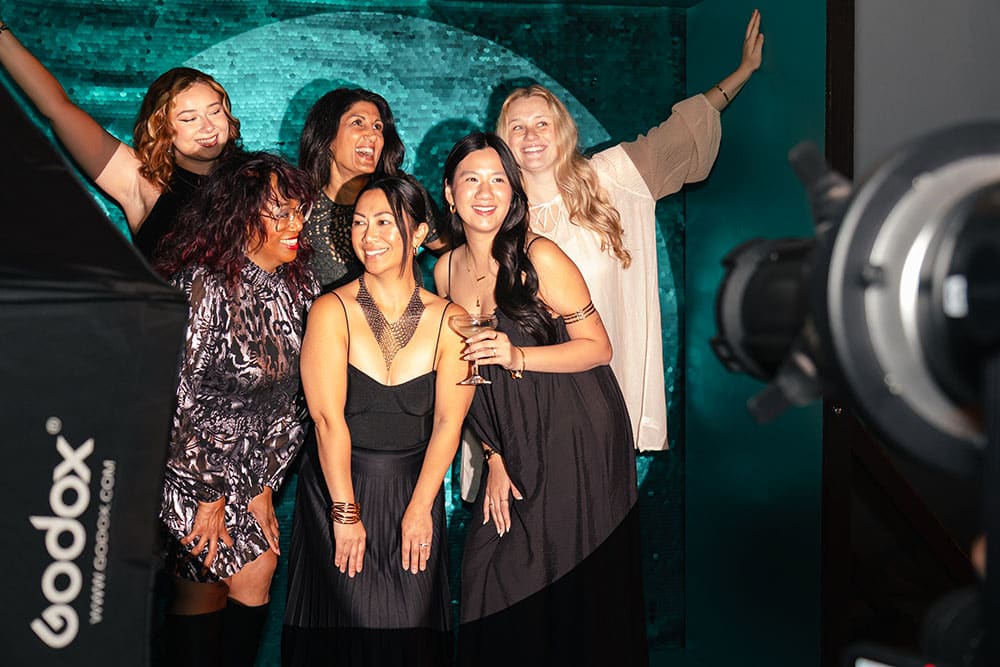
An accidental moment is the one that happens to land. A designed moment is built with intention, and you can feel the difference in the room. It is the immersive VIP environment that makes someone slow down and look. The cinematic slow-motion capture a guest did not see coming, the kind a GlamBot X produces, that turns them into the main character for ten seconds. The personalized keepsake that travels home in a jacket pocket. The portrait that makes someone feel genuinely seen rather than processed through a line. None of these are about technology specifications. They are about hospitality and the decision to make one part of the night unforgettable on purpose.
Where do most event budgets go wrong?
Here is the quiet tension in most event budgets. Venue, catering, and AV absorb the majority of the spend, and they should, because they are the floor a great event stands on. But the moment guests actually remember is often the one that cost the least to design and required the most intention. That imbalance matters more in 2026 than it used to. Event budgets are growing at 10.9 percent while overall B2B marketing spend is contracting, which means planners are being asked to defend every line and produce more from each one. A single designed moment is one of the highest-return decisions on the sheet.
What makes a moment travel beyond the event?
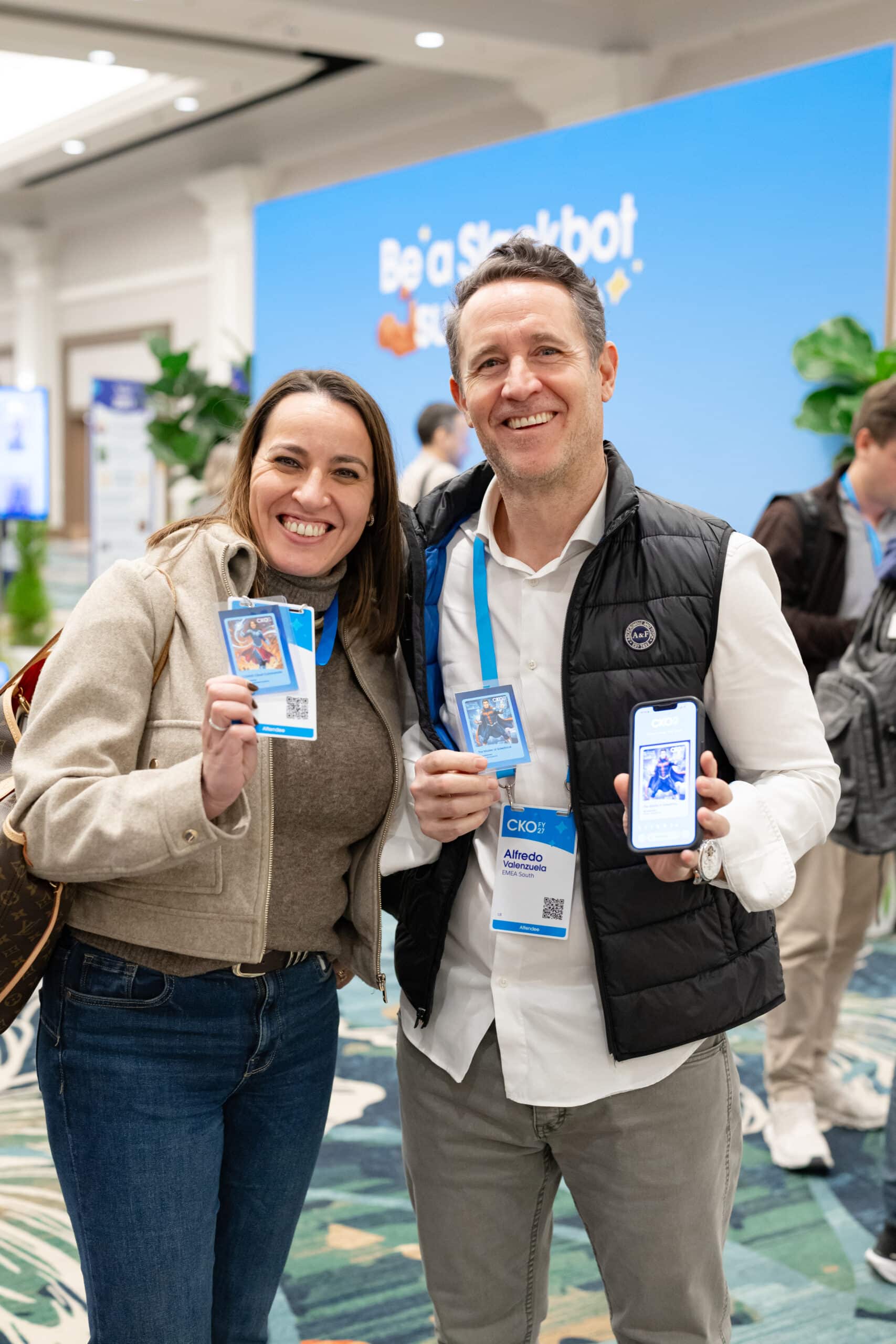
There is a difference between a moment that lives at the event and one that travels beyond it. The first ends when the lights come up. The second keeps working for weeks, on social feeds, in internal recaps, in the brand’s content library, in the story a guest tells a colleague who was not there. The numbers make the case plainly. Roughly 91 percent of attendees share their event experiences with others, and 98 percent of guests create digital or social content at events (Bizzabo, 2026). That guest-made content is not a nice extra. Posts featuring user-generated content draw close to 70 percent more engagement than standard brand posts, because people trust and share what they had a hand in making (Seeker, 2026). What separates a moment that travels from one that vanishes is the visual record. A moment no one captured well is a moment that quietly disappears.
Who produces the moment guests remember?
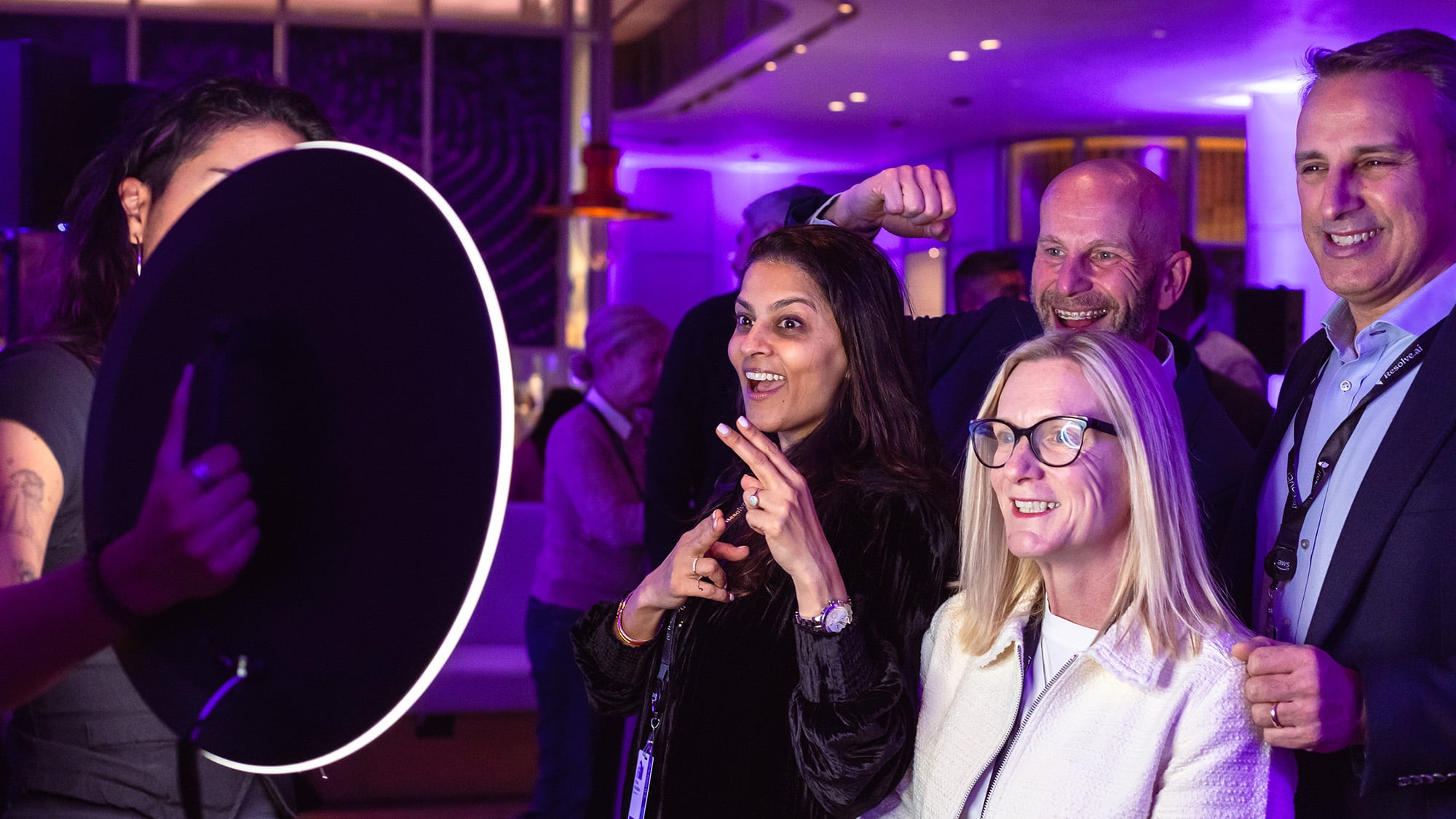
This is the part most planners underinvest in, and it is the part we exist for. Designing the moment is half the work. Producing the visual record at the caliber the moment deserves is the other half, and it is the half that decides whether the experience travels. A GlamBot X slow-motion capture, roaming AI photography that finds the unguarded moments and turns guests into themed characters, a portrait or corporate headshot activation that makes a guest feel seen, or a custom AI trading card that turns a face into something collectible. You can see how those moments travel in our roaming AI booth gallery. These are not products bolted onto an agenda. They are the answer to a single question every planner should ask: who produces the moment our guests will actually remember, at the level our brand is worth.
Before your next event, choose the one moment you want guests still talking about three weeks later, then build backward from it. If you want a partner who can design that moment and capture it at the caliber your brand deserves, let’s talk.